
Transportation Management Systems
3 Ways a TMS Reduces Manual Work for Dispatchers
Dispatchers spend too much time moving information between systems instead of moving freight. Here are three ways a modern transportation management system reduces repetitive work, improves coordination, and helps teams operate more efficiently.

A transportation management system reduces manual dispatcher work by automating the tasks that consume the most time: load planning, communication, and back-office follow-up. For carriers still juggling phone calls, spreadsheets, disconnected tools, and manual document handling, the biggest gains usually come from putting dispatch, compliance, and invoicing into one workflow.
Key takeaways
Manual dispatch work often shows up as status calls, rekeying data, document chasing, and compliance follow-up.
Workflow automation can increase per-dispatcher load capacity by 40 to 60% without adding headcount.
The biggest wins come from unifying dispatch, communication, invoicing, and compliance in one system.
Hemut Command is built to reduce repetitive clicks, calls, and handoffs across the full load lifecycle.

1. A TMS reduces dispatch work by automating load planning and communication
The most time-consuming dispatch tasks are usually matching loads, checking HOS, updating ETAs, and handling status calls. Those are repetitive decisions, which makes them good candidates for automation.
According to 2025 freight operations benchmarks cited in 2026 industry reporting, moving from manual status updates to automated carrier communication can increase per-dispatcher load capacity by 40 to 60%. The same research found that automated shipment tracking can reduce dispatcher call volume by 58%.
With Hemut Command, that automation includes:
Driver ranking based on hours of service, location, and revenue contribution
Route and HOS planning that accounts for legal drive limits, breaks, and rest
Load sequencing that helps reduce deadhead miles
Voice agents that handle inbound negotiation calls
RFP pricing in under two seconds per lane
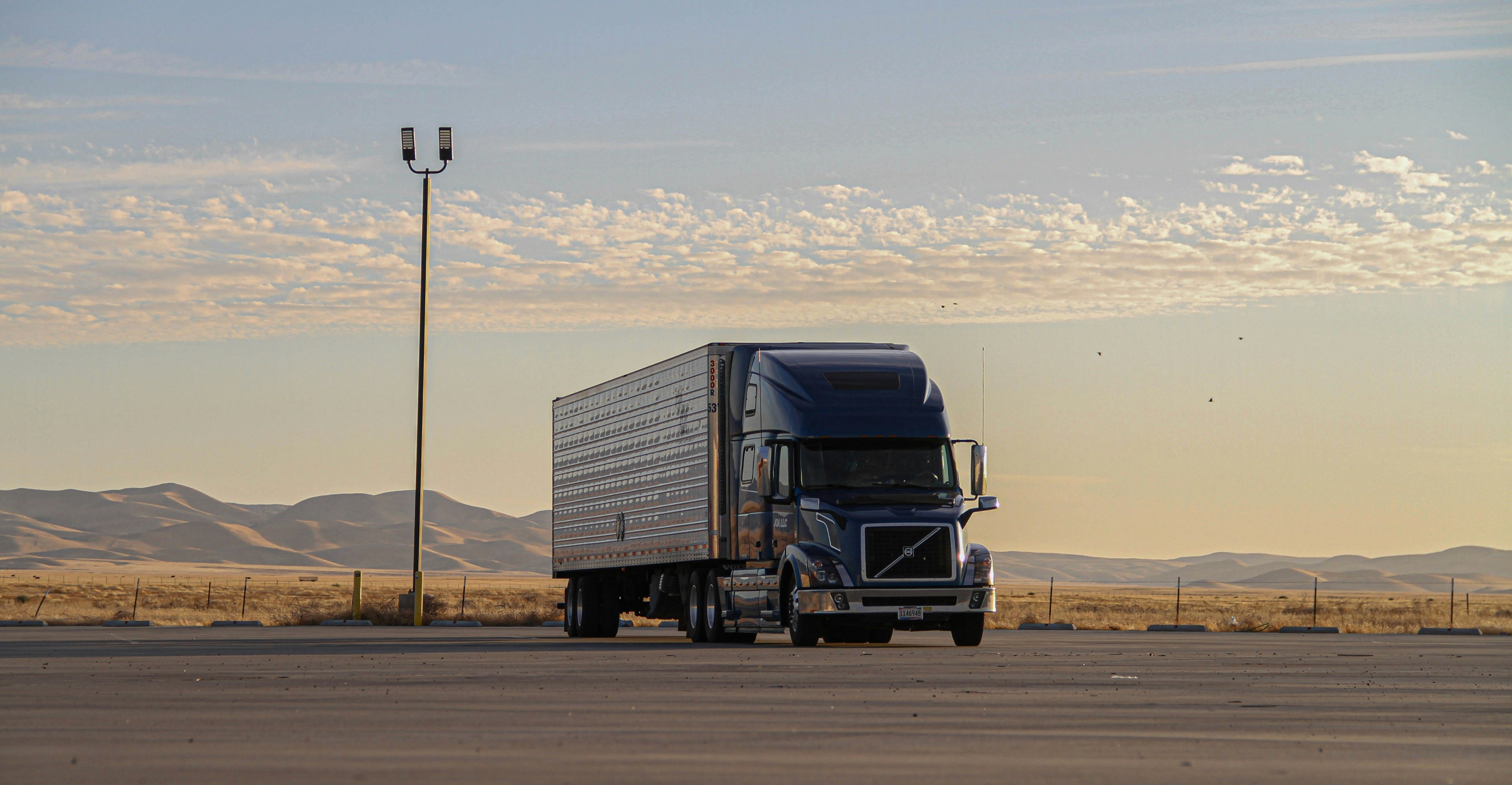
2. A TMS reduces manual work by replacing disconnected tools with one workflow
Dispatchers lose time when every update has to move across separate systems. A load gets booked in one tool, tracked in another, documented somewhere else, then re-entered for billing.
That fragmentation is expensive. Recent logistics automation reporting estimates that regional brokers and 3PLs lose 25 to 40% of operational capacity to manual tracking, communication, invoice reconciliation, and compliance documentation.
A connected TMS removes those handoffs. Instead of working across a TMS, ELD, load board, communication app, accounting system, document storage tool, and compliance tracker, the dispatcher works in one operating layer.
Hemut Command is designed around that model. The goal is not to add another login. The goal is to replace the copy-paste work between systems with one connected workflow.

3. A TMS reduces back-office work by connecting delivery, documents, and invoicing
Manual work does not stop when the load delivers. Dispatch teams still have to chase PODs, create orders from rate confirmations, trigger invoices, and flag compliance issues before they become billing delays.
That is where many carriers lose time and cash flow. Industry examples show that a small fleet can burn 2 to 3 hours per day on admin work that should take minutes, and loads delivered without documentation can delay billing immediately.
Hemut Command simplifies that handoff by automating key accounting and compliance steps:
Capture PODs in app
Create orders from rate confirmations
Generate invoices on delivery
Separate driver settlements from billing holds
Track compliance requirements automatically
The bottom line
A modern TMS should do more than store load data. It should remove the repetitive work that slows dispatchers down.
If your team is still spending hours on calls, re-entry, document follow-up, and compliance checks, Hemut Command is built to take that burden off the board.
See how Hemut Command reduces manual dispatch work. Book a demo.
Sources
USTech Automations, Logistics & Freight Automation: Complete Guide 2026 — https://ustechautomations.com/resources/blog/logistics-freight-automation-complete-guide-2026
Truckpedia, How to Manage Dispatch for a Small Trucking Fleet — https://truckpedia.io/resources/how-to-manage-dispatch-small-fleet
A transportation management system reduces manual dispatcher work by automating the tasks that consume the most time: load planning, communication, and back-office follow-up. For carriers still juggling phone calls, spreadsheets, disconnected tools, and manual document handling, the biggest gains usually come from putting dispatch, compliance, and invoicing into one workflow.
Key takeaways
Manual dispatch work often shows up as status calls, rekeying data, document chasing, and compliance follow-up.
Workflow automation can increase per-dispatcher load capacity by 40 to 60% without adding headcount.
The biggest wins come from unifying dispatch, communication, invoicing, and compliance in one system.
Hemut Command is built to reduce repetitive clicks, calls, and handoffs across the full load lifecycle.
1. A TMS reduces dispatch work by automating load planning and communication
The most time-consuming dispatch tasks are usually matching loads, checking HOS, updating ETAs, and handling status calls. Those are repetitive decisions, which makes them good candidates for automation.
According to 2025 freight operations benchmarks cited in 2026 industry reporting, moving from manual status updates to automated carrier communication can increase per-dispatcher load capacity by 40 to 60%. The same research found that automated shipment tracking can reduce dispatcher call volume by 58%.
With Hemut Command, that automation includes:
Driver ranking based on hours of service, location, and revenue contribution
Route and HOS planning that accounts for legal drive limits, breaks, and rest
Load sequencing that helps reduce deadhead miles
Voice agents that handle inbound negotiation calls
RFP pricing in under two seconds per lane
2. A TMS reduces manual work by replacing disconnected tools with one workflow
Dispatchers lose time when every update has to move across separate systems. A load gets booked in one tool, tracked in another, documented somewhere else, then re-entered for billing.
That fragmentation is expensive. Recent logistics automation reporting estimates that regional brokers and 3PLs lose 25 to 40% of operational capacity to manual tracking, communication, invoice reconciliation, and compliance documentation.
A connected TMS removes those handoffs. Instead of working across a TMS, ELD, load board, communication app, accounting system, document storage tool, and compliance tracker, the dispatcher works in one operating layer.
Hemut Command is designed around that model. The goal is not to add another login. The goal is to replace the copy-paste work between systems with one connected workflow.
3. A TMS reduces back-office work by connecting delivery, documents, and invoicing
Manual work does not stop when the load delivers. Dispatch teams still have to chase PODs, create orders from rate confirmations, trigger invoices, and flag compliance issues before they become billing delays.
That is where many carriers lose time and cash flow. Industry examples show that a small fleet can burn 2 to 3 hours per day on admin work that should take minutes, and loads delivered without documentation can delay billing immediately.
Hemut Command simplifies that handoff by automating key accounting and compliance steps:
Capture PODs in app
Create orders from rate confirmations
Generate invoices on delivery
Separate driver settlements from billing holds
Track compliance requirements automatically
The bottom line
A modern TMS should do more than store load data. It should remove the repetitive work that slows dispatchers down.
If your team is still spending hours on calls, re-entry, document follow-up, and compliance checks, Hemut Command is built to take that burden off the board.
See how Hemut Command reduces manual dispatch work. Book a demo.
Sources
USTech Automations, Logistics & Freight Automation: Complete Guide 2026 — https://ustechautomations.com/resources/blog/logistics-freight-automation-complete-guide-2026
Truckpedia, How to Manage Dispatch for a Small Trucking Fleet — https://truckpedia.io/resources/how-to-manage-dispatch-small-fleet
A transportation management system reduces manual dispatcher work by automating the tasks that consume the most time: load planning, communication, and back-office follow-up. For carriers still juggling phone calls, spreadsheets, disconnected tools, and manual document handling, the biggest gains usually come from putting dispatch, compliance, and invoicing into one workflow.
Key takeaways
Manual dispatch work often shows up as status calls, rekeying data, document chasing, and compliance follow-up.
Workflow automation can increase per-dispatcher load capacity by 40 to 60% without adding headcount.
The biggest wins come from unifying dispatch, communication, invoicing, and compliance in one system.
Hemut Command is built to reduce repetitive clicks, calls, and handoffs across the full load lifecycle.
1. A TMS reduces dispatch work by automating load planning and communication
The most time-consuming dispatch tasks are usually matching loads, checking HOS, updating ETAs, and handling status calls. Those are repetitive decisions, which makes them good candidates for automation.
According to 2025 freight operations benchmarks cited in 2026 industry reporting, moving from manual status updates to automated carrier communication can increase per-dispatcher load capacity by 40 to 60%. The same research found that automated shipment tracking can reduce dispatcher call volume by 58%.
With Hemut Command, that automation includes:
Driver ranking based on hours of service, location, and revenue contribution
Route and HOS planning that accounts for legal drive limits, breaks, and rest
Load sequencing that helps reduce deadhead miles
Voice agents that handle inbound negotiation calls
RFP pricing in under two seconds per lane
2. A TMS reduces manual work by replacing disconnected tools with one workflow
Dispatchers lose time when every update has to move across separate systems. A load gets booked in one tool, tracked in another, documented somewhere else, then re-entered for billing.
That fragmentation is expensive. Recent logistics automation reporting estimates that regional brokers and 3PLs lose 25 to 40% of operational capacity to manual tracking, communication, invoice reconciliation, and compliance documentation.
A connected TMS removes those handoffs. Instead of working across a TMS, ELD, load board, communication app, accounting system, document storage tool, and compliance tracker, the dispatcher works in one operating layer.
Hemut Command is designed around that model. The goal is not to add another login. The goal is to replace the copy-paste work between systems with one connected workflow.
3. A TMS reduces back-office work by connecting delivery, documents, and invoicing
Manual work does not stop when the load delivers. Dispatch teams still have to chase PODs, create orders from rate confirmations, trigger invoices, and flag compliance issues before they become billing delays.
That is where many carriers lose time and cash flow. Industry examples show that a small fleet can burn 2 to 3 hours per day on admin work that should take minutes, and loads delivered without documentation can delay billing immediately.
Hemut Command simplifies that handoff by automating key accounting and compliance steps:
Capture PODs in app
Create orders from rate confirmations
Generate invoices on delivery
Separate driver settlements from billing holds
Track compliance requirements automatically
The bottom line
A modern TMS should do more than store load data. It should remove the repetitive work that slows dispatchers down.
If your team is still spending hours on calls, re-entry, document follow-up, and compliance checks, Hemut Command is built to take that burden off the board.
See how Hemut Command reduces manual dispatch work. Book a demo.
Sources
USTech Automations, Logistics & Freight Automation: Complete Guide 2026 — https://ustechautomations.com/resources/blog/logistics-freight-automation-complete-guide-2026
Truckpedia, How to Manage Dispatch for a Small Trucking Fleet — https://truckpedia.io/resources/how-to-manage-dispatch-small-fleet
Transform your freight operations and leap ahead of the competition.
© Hemut co All Rights Reserved 2026
Transform your freight operations and leap ahead of the competition.
© Hemut co All Rights Reserved 2026
Transform your freight operations and leap ahead of the competition.
© Hemut co All Rights Reserved 2026